A useful starting point
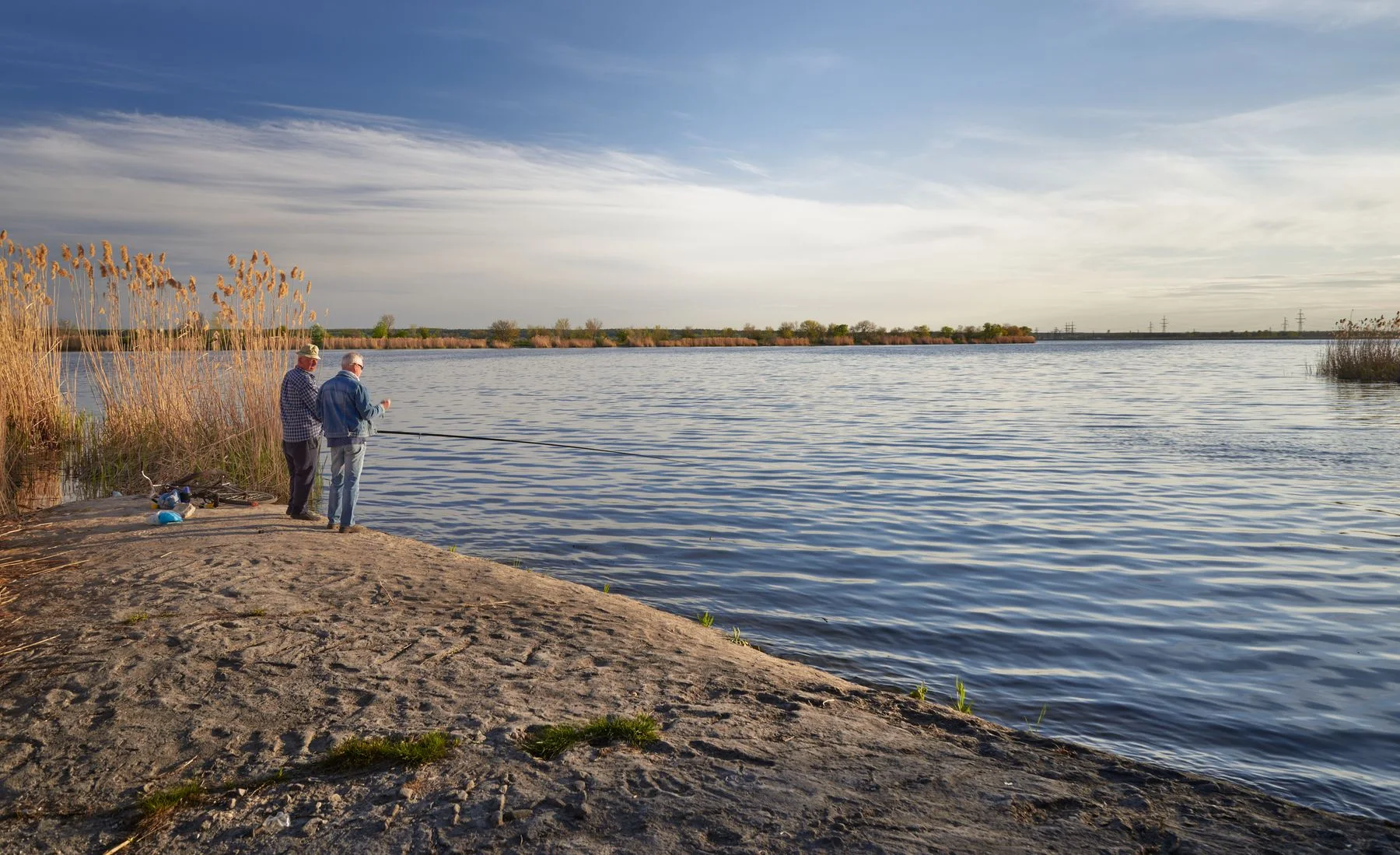
Ask each person to describe the outing before writing one summary. Different positions or times may explain a disagreement. Keep the difference visible rather than choosing the more confident description. A shared record can include several viewpoints while still distinguishing observation from interpretation and avoiding claims about what nobody actually saw.
Try this sequence
- Write individual observations first
- Compare times and viewpoints
- Keep disagreements as questions
- Agree on one practical preparation change
A small worked example
Two observers might describe different wind effects because they stood in different places. Keep their viewpoints with the notes. There is no need to manufacture agreement when the difference itself explains why a shared outing produced distinct impressions.
What to keep in your notes
Give the record a date and a recognisable title. Revisit it when planning, but check all time-sensitive information again through the appropriate current source. Your previous experience belongs in the notebook alongside those checks, rather than replacing them.